This post may contain affiliate links. As an Amazon Associate, I earn from qualifying purchases at no additional cost to you.
If you’ve been following along, you know my story usually comes back to one theme: my body telling me to slow down, and me refusing to listen until I had no choice left. It’s the same lesson I learned with my brain shunt. My carpal tunnel surgery recovery — twice — is one of the clearest examples of that.
How It Started
It all started back in 2018, during my first real attempt at affiliate marketing. I was ambitious — running two websites at once, which meant hours of typing every single day. I didn’t think much of it until the first twinge of pain and swelling showed up in my right thumb.
I went to a doctor. Misdiagnosed. I was handed pain meds and sent on my way, while the real problem kept building underneath. Two months later, my left hand caught up to the right.
A different doctor finally gave it a name: Carpal Tunnel Syndrome. The plan was simple — one round of steroid injections, meant to fix it for good. And for a while, it really did feel like magic. The relief was real. But so was my mistake: I didn’t rest. I kept typing, kept pushing, kept ignoring what my hands were trying to tell me.
The pain came back. I went for a second round of injections. And still, I kept typing.
By 2022, the symptoms weren’t just back — they were worse than ever. My grip was compromised. Everyday things had become hard. When yet another doctor sat me down and asked for my full treatment history, it was clear: I’d delayed the inevitable long enough. Release surgery wasn’t a choice anymore. It was the only thing left that made sense.
A Little Home Remedy (Not Doctor-Approved, But It Worked for Me)
Before surgery, I found my own way of coping with the pain — dipping my hands in hot water for about 10 minutes, then rubbing them with a menthol ointment. The warmth, followed by that cooling sensation after, gave me real relief. I have no idea if any doctor would actually recommend it, but I did it anyway, and it helped. Once I had surgery, though, I never “cooked” my hands again — that chapter was closed for good.
Surgery Day: The Left Hand (September 2022)
The surgery was supposed to be simple — done while I was awake, under local anesthesia. The team carefully numbed my hand, and it worked. But the moment they made the first cut, I felt it. I screamed. There was no easing into anything after that — they had to put me under immediately. Being injected so fast, right on the heels of that pain, was honestly one of the most frightening parts of the whole experience.
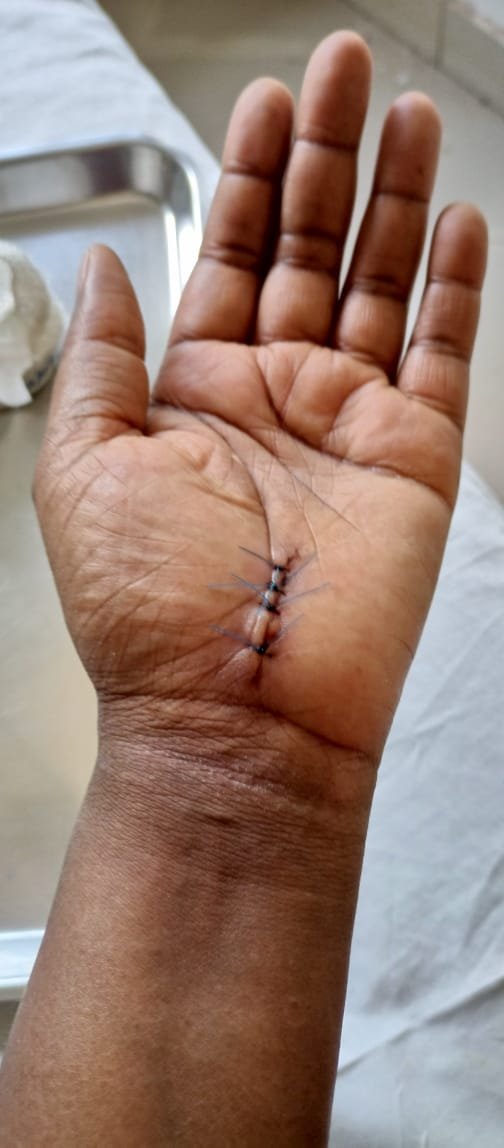
I woke up in the recovery room, then was moved to my ward, where I stayed two nights before being released. That first day post-surgery wasn’t too bad — and since my left hand isn’t my dominant one, it actually got the luxury of rest while my right hand quietly picked up the slack.
A few weeks later, I went back to have the stitches removed. That’s when the nurse introduced me to something I wasn’t expecting: scar massage. She pressed into the healing scar to help break up the tissue underneath, and it hurt — a lot. But she explained why it mattered, then sent me home to keep doing it myself. I picked up some tissue oil and got to work.
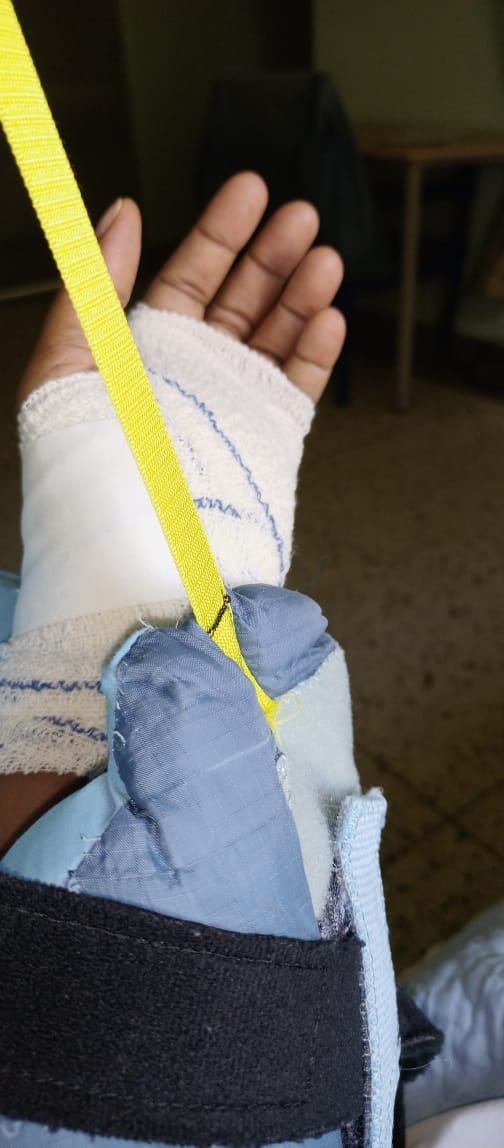
For a while after the sling came off, I’d get sudden electric-shock-like sensations whenever I extended my arm. Unsettling at first, but it faded gradually — gone completely within about a month. My grip kept improving from there, and by the seven-month mark, my original symptoms had noticeably eased.
I still wear braces on both hands, even now, especially at night when things act up. They helped before surgery, and they’ve stayed part of my routine ever since.
Surgery Day: The Right Hand (April 2023)
By April 2023, I knew exactly what I was walking into — so this time, I asked the doctor to put me under from the start. He agreed, but getting there still meant close to an hour of injections first. At one point, the anesthesiologist’s needle caught a nerve, and my whole arm jumped. I screamed again. Apparently, that’s just how my surgeries go.
Same as before: two nights in the hospital, then released. This time, though, they closed the incision without stitches, which made recovery noticeably faster — even if the healing pain in those first weeks was just as real.
By the five-month mark, I was in much better shape. And honestly, today my hands are mostly fine. The only time I feel mild pain is after a lot of typing, which I’ve come to accept as just part of the deal now. I pace myself instead of pushing through the way I used to. I still wear my braces at night, and I drive without any issues.
To keep my hands strong, I’ve built a little routine: small dumbbells, grip balls, finger extender rubbers, and simple wrist exercises. Small, steady effort — but it makes a real difference.
What I’d Do Differently in My Carpal Tunnel Surgery Recovery
If I could go back to 2018, I’d tell myself to actually rest after that first round of injections instead of waiting for the relief to run out before doing something about it. That “magic fix” was never going to last if I kept undoing it every single day. Recovery, it turns out, isn’t just about the surgery itself — it’s about listening the first time your body asks you to slow down, not the fifth.
What Helped Me Along the Way
A few things from my recovery that I still reach for today — you can find my full list, My Hand Recovery Toolkit, on Amazon here.
- FEATOL Wrist Brace — my go-to brace, especially for wearing at night when my hands act up
- DRNAIETY Copper Arthritis Compression Gloves — gentle compression for those achy, overworked days
- MROCO Ergonomic Mousepad — small change, big difference for keeping my wrist in a better position while typing
- VIVE Hand Therapy Exercise Balls — part of my grip-strengthening routine, even now
- ROYGRA Grip Strength Trainer Pack — my finger extenders and grip trainers all in one set
- PENETREX Daily Joint and Muscle Care Cream — my modern-day upgrade from the menthol ointment days
- LINUX Carpal Tunnel Hand and Wrist Massager — a gentler, more consistent version of the scar massage the nurse had me doing at home
Final Thoughts
Two surgeries, two very different experiences, and one lesson that took me far too long to learn. If you’re dealing with the early signs of carpal tunnel right now, please don’t do what I did — don’t wait until your grip is gone to take it seriously.
Have you been through carpal tunnel surgery, or are you dealing with symptoms right now? I’d love to hear your story in the comments.